
The Dong Nai River basin supplies water to over 16 million people, manages irrigation through nearly 200 reservoirs and dams, and provides electricity to key economic zones in southern Vietnam.
This abundant water resource forms the foundation for stable development in the basin, contributing about 30% of the national GDP. However, like other river basins in Vietnam, the Dong Nai basin faces challenges related to pollution and the need to balance water regulation for various purposes, ensuring sufficient supply, flood control, and saltwater intrusion prevention.
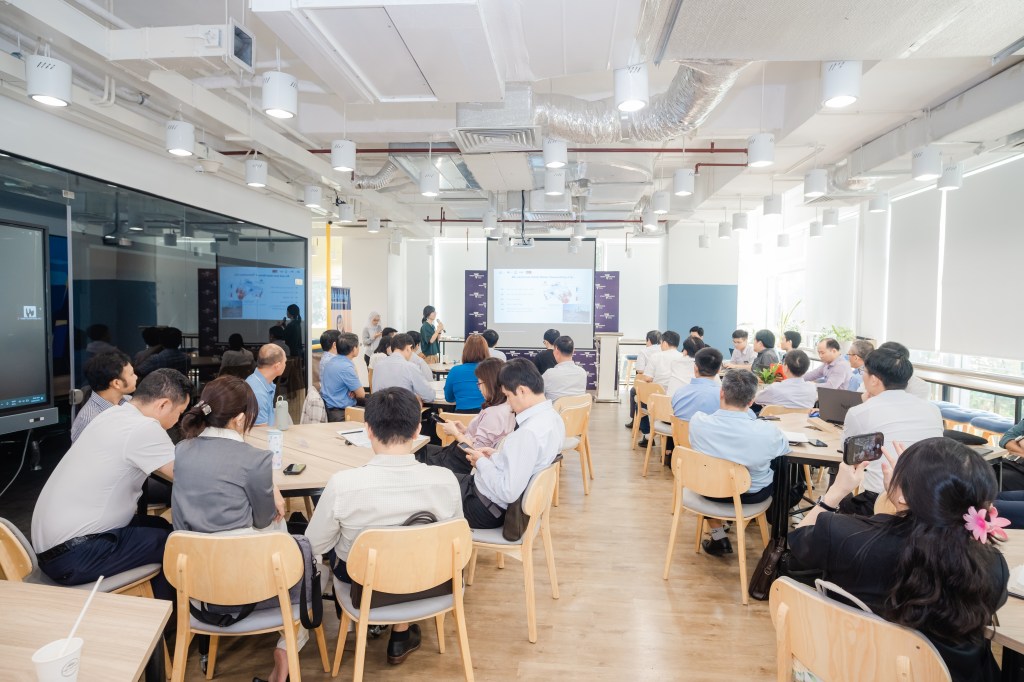
The Towards Shared Vision For The Dong Nai Catchment workshop brought together stakeholders with a shared interest in the river’s future, aiming to connect and share concerns over water usage and management.
From a management perspective, regulating reservoirs to meet domestic, agricultural, hydropower, waterway, and anti-saltwater intrusion needs still faces limitations in coordination and information processing. Information systems have yet to be fully synchronized and effectively shared to balance various demands, including ecological and biodiversity conservation. Despite abundant water resources, water utilization value remains low, as the economic output does not yet match the volume of water used. Water quality deteriorates as it flows through densely populated urban areas and industrial zones.
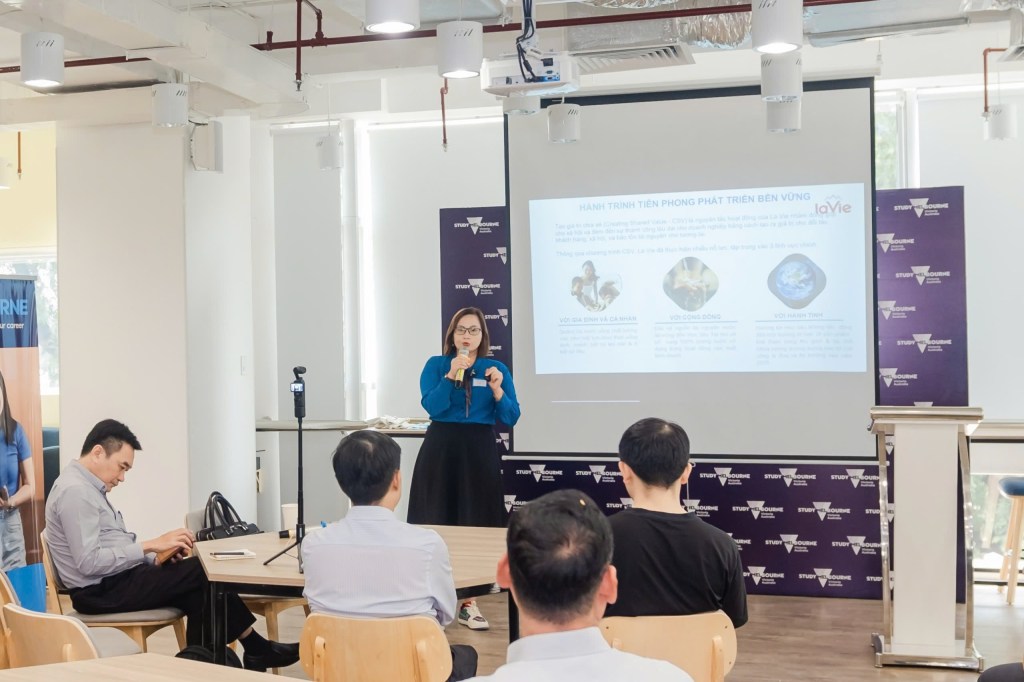
Greater involvement of businesses is needed in sharing financial resources and experience in sustainable water management. The story of Lavie’s journey in implementing AWS standards shows how private enterprises can contribute to regional water security through assessing groundwater reserves for sustainable extraction, building water treatment plants, providing clean water to communities, closing unsafe wells, and cleaning polluted canals.
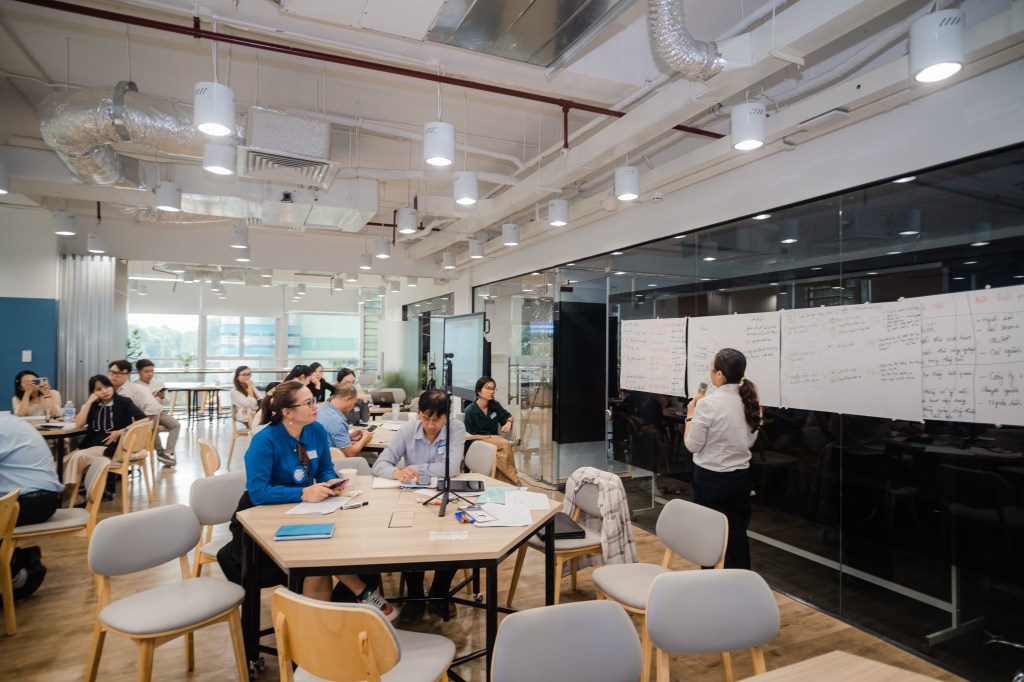
Delegates participated in group discussions to propose solutions for issues of interest and identify relevant stakeholders required to address those issues. Some prominent issues discussed included pollution in the Saigon River, deforestation in the Nam Cat Tien upstream area, with the engagement of government agencies, social organizations, and other stakeholders. This approach helps businesses gain a broader understanding of potential activities they can participate in to protect water resources, devise suitable water management programs, and find partners for collaborative efforts.



 Water Stewardship Vietnam